Handmade vs Mass-Produced: What’s the Difference (and What’s Worth Buying)?
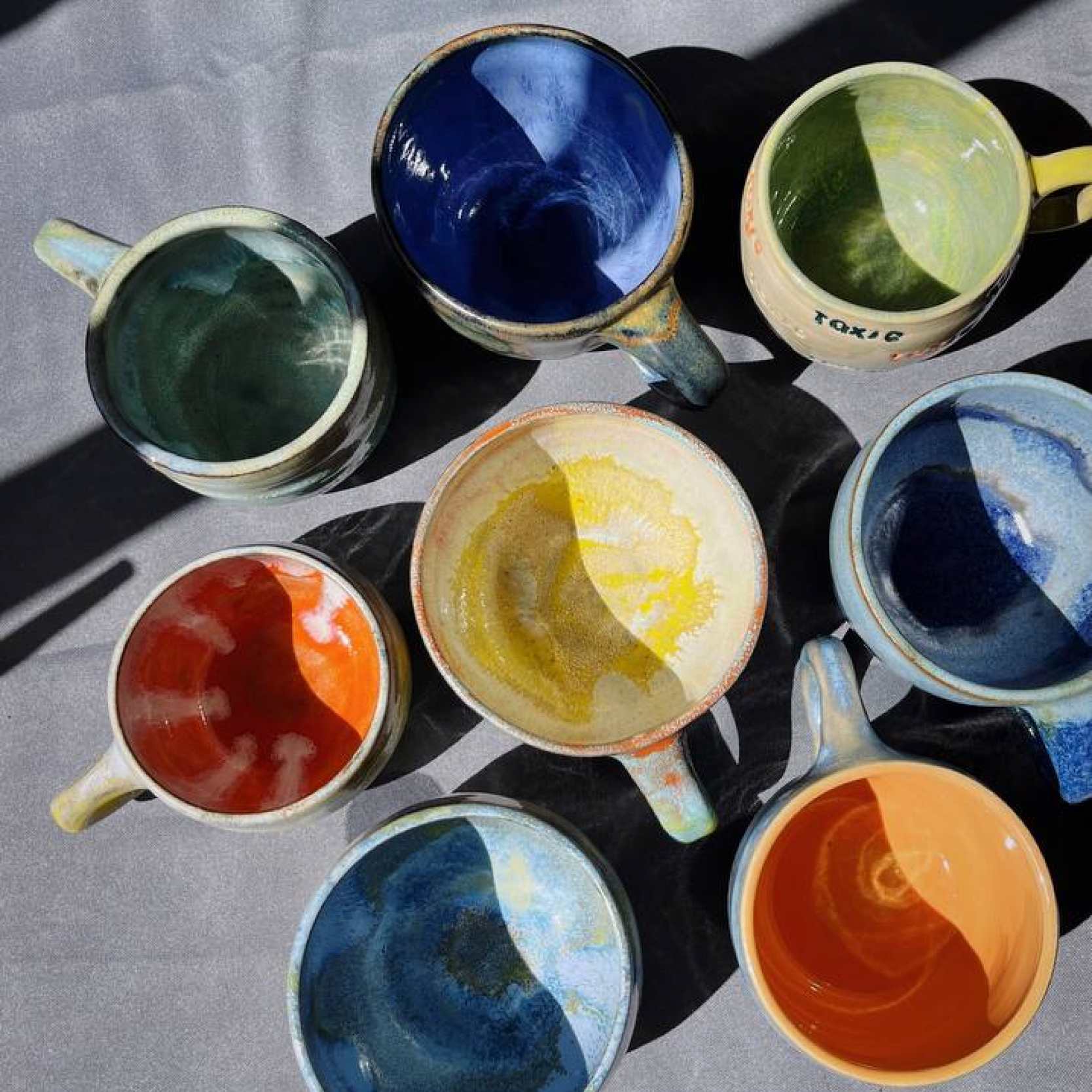
Handmade pieces usually cost more because they’re made slower, in smaller batches, with more attention to detail—so they often last longer, feel more personal, and look more unique. Mass-produced pieces are faster and cheaper, but often less durable and less meaningful over time.

There’s nothing wrong with buying mass-produced items. I’m not here to shame anyone’s budget or choices.
But if you’ve ever held something handmade and instantly felt the difference, you already know:
it’s not just about how it looks—it’s about how it feels.
At Craft Around, we select pieces for people who want their space to feel intentional. Not “perfect.” Not copy-pasted. Just real.
So let’s talk honestly about the difference between handmade and mass-produced—and what’s actually worth buying.
What does “handmade” really mean?
“Handmade” can be used loosely online, so here’s what it should mean:
A handmade piece is one where the maker’s hands are involved in the shaping, building, finishing, and quality control—not just the packaging.
That usually means:
- small batch production
- manual finishing (sanding, detailing, sealing)
- tiny variations that prove it wasn’t machine-stamped
- thoughtful design choices during the process
It’s slower. And that’s the point.
What does “mass-produced” mean?
Mass-produced pieces are created on a larger scale—often with machines and standardized parts—so they can be made quickly and consistently.
That typically means:
- identical results (every item looks the same)
- lower production cost
- fast availability
- trend-based design cycles
Mass-produced is efficient. Handmade is intentional.
7 real differences between handmade and mass-produced pieces
1) Durability
Handmade pieces are often made with longevity in mind.
Mass-produced pieces are often made with “good enough” durability to meet a price point.
If you’re buying something you want to keep for years, handmade tends to win.
2) Detail & finishing
Finishing is where quality becomes obvious.
Handmade finishing often means:
- smoother edges
- better tactile feel
- refined surfaces
- careful sealing
Mass-produced finishing can be decent, but it’s usually designed for speed.
3) Uniqueness
Handmade pieces have personality:
- wood grain variation
- subtle texture changes
- slight differences that make the piece yours
Mass-produced pieces are designed to be identical.
If you want your home to feel like a story, not a showroom—uniqueness matters.
4) Sustainability
This isn’t a “handmade is always sustainable” claim (that would be dishonest).
But small-batch production often creates less waste and encourages buying fewer, better pieces.
The most sustainable thing is often the thing you don’t replace.
5) Emotional value
This part is underrated.
Handmade pieces feel meaningful because they carry:
- human attention
- time
- intention
- a story
You don’t always get that from something made in a factory line.
6) Price vs long-term value
Mass-produced is cheaper upfront. Handmade is often higher upfront.
But value is about more than price:
- How long will it last?
- Will you still love it in 2 years?
- Will it still feel good in your space?
Sometimes paying more once is better than paying less five times.
7) Your relationship with the object
Mass-produced objects are replaceable.
Handmade objects become part of your life.
They’re the pieces you keep when you move.
The pieces you don’t want to let go of.
So what’s worth buying handmade?
Here’s my honest rule:
Buy handmade when it’s something you touch daily or see daily.
Examples:
- statement pieces
- shelves
- furniture
- functional design objects
- anything you want to feel proud of owning
Buy mass-produced when you need something temporary.
Examples:
- quick storage
- placeholders
- items you’ll replace soon anyway
No guilt. Just strategy.
Final thoughts
Handmade isn’t “better.”
It’s just different—and for the right pieces, it’s worth it.
At Craft Around, we make objects that are meant to stay.
Not because your home needs more stuff…
but because it deserves more meaning.
FAQs
1) Is handmade always higher quality than mass-produced?
Not always. Handmade can still be poorly made. Quality depends on craftsmanship, materials, and finishing.
2) Why do handmade pieces cost more?
Time, skill, small-batch production, and careful finishing all increase cost—but they also increase longevity and uniqueness.
3) Are handmade pieces sustainable?
Often, yes—but not automatically. The best sustainable factor is longevity: buying fewer items that last longer.
4) How can I tell if something is truly handmade online?
Look for process photos, real close-ups, clear material descriptions, and details about how it’s made.
Mentioned products
Best Underglazes for Pottery: My Top Picks
Choosing the right underglaze can make a world of difference in your ceramic creations. Whether you specialize in delicate brushwork, bold color blocking, or experimental sgraffito techniques, the underglaze you choose influences everything from color vibrancy to final texture. With so many great options on the market, it’s helpful to know which brands potters trust and why. Let’s dive into some of the most loved underglazes by ceramic artists today, with an honest breakdown of their strengths and best use cases.

Modern Ceramics: An Artistic Revolution in Clay
Welcome to the wild, weird, and wonderful world of modern ceramics. If you’re picturing a dusty old vase on your granny’s shelf—think again. Modern ceramic art is here to flip the script. It’s not just about making functional mugs or flower pots (though we love a good mug)—it’s about expression, rebellion, and storytelling through clay. At Bloody Pottery, we believe ceramics should make you feel something—whether that’s joy, discomfort, curiosity, or even a bit of WTF. Let’s dig into what modern ceramics really are, why they matter, and how we’re proudly stirring the pot.

Famous Pottery Artists and Their Styles
In this post, I want to take you on a journey through the world of pottery by exploring the lives and work of famous ceramic artists who have shaped the history of this timeless craft. Their unique techniques, bold experimentation, and unshakable dedication to their vision continue to spark curiosity and fuel creativity in studios around the world—including mine.