How to Spot High-Quality Handmade Pieces (Even Online)
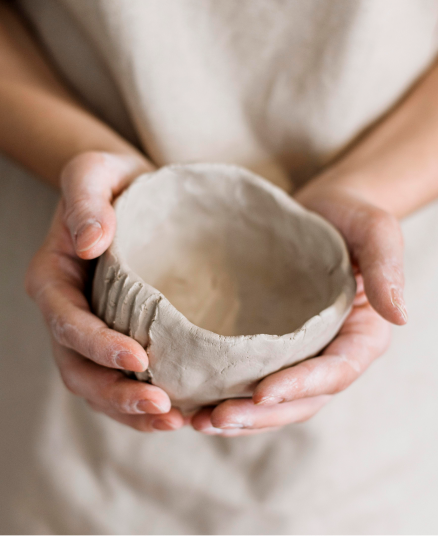
High-quality handmade pieces have clean finishing, strong proportions, honest materials, and clear maker transparency (process photos, real close-ups, and accurate descriptions). If the listing is vague or overly perfect with no details, be cautious.

Buying handmade online can feel like a gamble.
You can’t touch the surface.
You can’t feel the weight.
You can’t check the finishing in person.
So you rely on photos, descriptions, and trust.
Here’s how to spot quality without guessing.
1) Look for close-up photos (not just styled shots)
Styled photos are beautiful—but they can hide details.
A trustworthy handmade listing includes:
- close-ups of texture
- angles that show edges and corners
- real lighting
- detail shots of finishing
If a seller avoids close-ups, it’s often because they don’t want you to see something.
2) Read the description like a detective
A high-quality handmade piece should have specifics:
- material type
- finishing method
- size details
- how it’s made
- care instructions
Vague descriptions like “premium quality” without details? That’s not a good sign.
3) Watch for “too perfect” sameness
This is a subtle one. If something claims to be handmade but every piece looks identical identical, it may be factory-made or partially mass-produced. Handmade doesn’t mean messy—it means naturally varied.
4) Check the edges and joins
Even in photos, you can often see:
- uneven finishing
- sloppy joins
- rushed sanding
- inconsistent surfaces
High-quality craftsmanship looks calm and confident.
5) Trust brands that are transparent
This is a big trust signal:
Does the brand show process?
Do they talk about materials honestly?
Do they explain what makes their work unique?
At Craft Around, we believe transparency is part of craftsmanship. If you’re investing in handmade, you deserve clarity.
Final thoughts
The best handmade pieces aren’t just pretty in photos. They’re well-made, honest, and built to live with you. And once you learn what to look for, you’ll never unsee the difference.
FAQs
1) How do I know if something is truly handmade?
Look for process photos, maker story, real close-ups, and natural variation in texture or grain.
2) Are imperfections always a good sign?
Not always. Natural variation is good; poor finishing or weak construction is not.
3) What should a handmade product description include?
Materials, dimensions, finishing method, care instructions, and production details.
4) Is it safe to buy handmade furniture online?
Yes, if the maker is transparent and provides clear photos, accurate sizing, and support for care/shipping.
Mentioned products
Best Underglazes for Pottery: My Top Picks
Choosing the right underglaze can make a world of difference in your ceramic creations. Whether you specialize in delicate brushwork, bold color blocking, or experimental sgraffito techniques, the underglaze you choose influences everything from color vibrancy to final texture. With so many great options on the market, it’s helpful to know which brands potters trust and why. Let’s dive into some of the most loved underglazes by ceramic artists today, with an honest breakdown of their strengths and best use cases.

Modern Ceramics: An Artistic Revolution in Clay
Welcome to the wild, weird, and wonderful world of modern ceramics. If you’re picturing a dusty old vase on your granny’s shelf—think again. Modern ceramic art is here to flip the script. It’s not just about making functional mugs or flower pots (though we love a good mug)—it’s about expression, rebellion, and storytelling through clay. At Bloody Pottery, we believe ceramics should make you feel something—whether that’s joy, discomfort, curiosity, or even a bit of WTF. Let’s dig into what modern ceramics really are, why they matter, and how we’re proudly stirring the pot.

Famous Pottery Artists and Their Styles
In this post, I want to take you on a journey through the world of pottery by exploring the lives and work of famous ceramic artists who have shaped the history of this timeless craft. Their unique techniques, bold experimentation, and unshakable dedication to their vision continue to spark curiosity and fuel creativity in studios around the world—including mine.